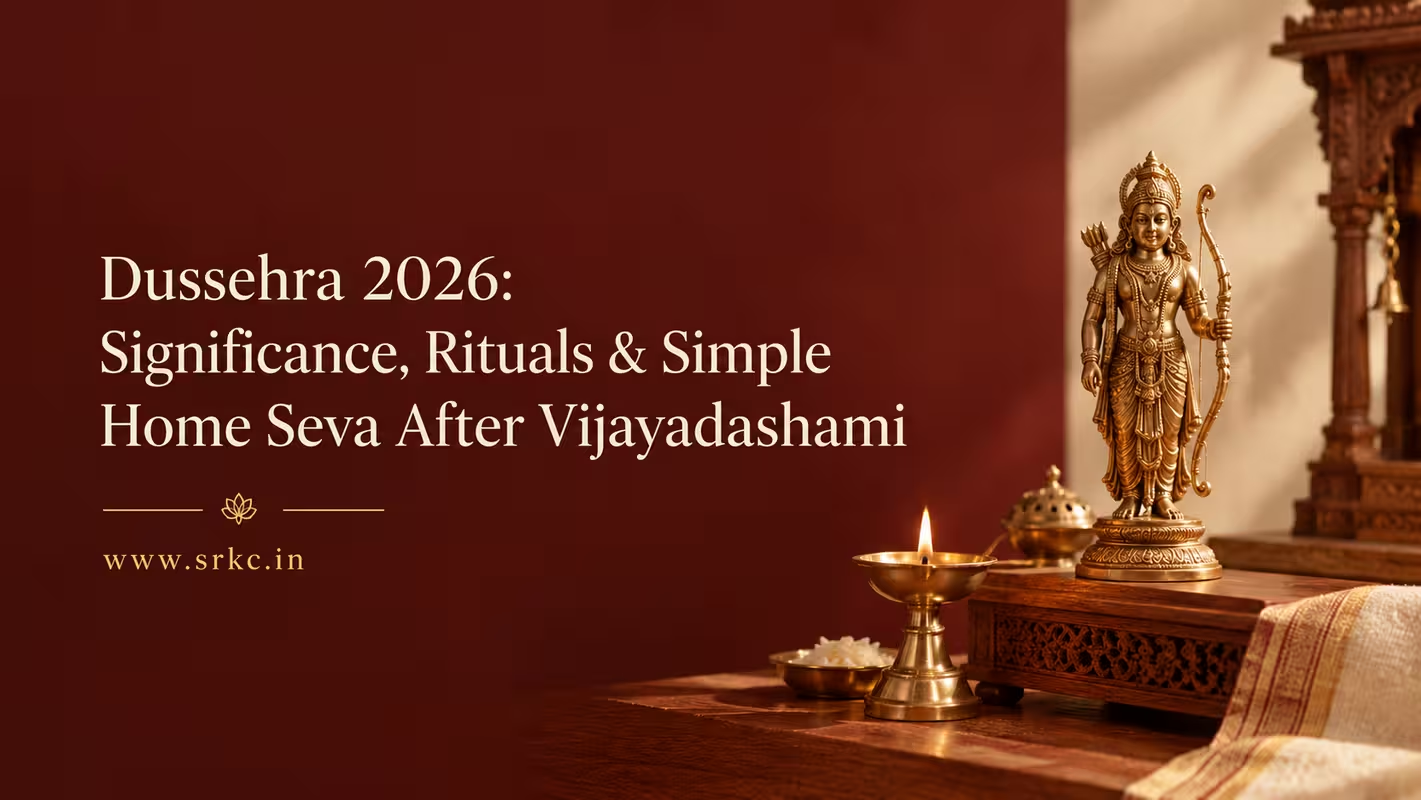
The Sacred Deepam: Spiritual Significance of Lighting Brass Oil Lamps
AI Overview & Key Takeaways
• Deepam symbolizes the dispelling of Avidya (spiritual ignorance) through the light of pure consciousness. • Cow's Ghee invokes Mahalakshmi, while Sesame (Til) oil pacifies planetary afflictions (Shani dosha). • Traditional Annam and Peacock Kuthu Vilakkus are hand-turned from solid brass for ritual stability and enduring sanctity.
“Tamaso Ma Jyotir Gamaya” — From Darkness to Light
The gentle, steady golden flame of a brass oil deepam is the quintessential emblem of Sanatana Dharma. Lighting the morning and twilight (Sandhya) deepam invokes divine presence, balances the pancha tattvas within the room, and creates a tranquil atmosphere for dhyana (meditation).
✨ Sacred Insight
The flame points perpetually upward, signifying that regardless of external turbulence, the soul’s true aspiration must always ascend towards supreme truth.
Oils & Their Vedic Potency
- Shuddha Cow Ghee: Bestows peace, health, and invokes the radiant grace of Goddess Mahalakshmi.
- Nallennai (Pure Sesame / Gingelly Oil): Dissolves obstacles, repels negative planetary influences, and clears negative vibrations.
- Pancha Deepa Tailam: A sacred blend of ghee, sesame, mahua, neem, and castor oils for intense spiritual cleansing.
The 5 Faces of a Kuthu Vilakku
A traditional five-wicked brass peacock lamp represents the five virtues: Affection, Intelligence, Resolution, Patience, and Memory. Lighting all five wicks in the evening brings holistic auspiciousness (Sarva Mangalam) into the family abode.
Frequently Asked Questions
Common questions and Vedic insights related to The Sacred Deepam: Spiritual Significance of Lighting Brass Oil Lamps.
Facing the flame towards the East promotes good health and removes worries. Facing North brings wealth and knowledge. Facing West dissolves debts and enmity. Lighting towards the South is generally avoided in home daily puja.
SRKC Editorial & Temple Priests
Authored and curated under the guidance of traditional sthapatis and artisans at SRKC. Every piece and blog is steeped in Shilpa Shastra, Agama Shastra, and centuries of temple dedication.